







Search Results for: Black Tea Varieties
Where is the core production region of Yunnan Dianhong black tea? How should one select the highest-quality Dianhong Golden Needle?
Yunnan black tea, commonly known as Dianhong, takes its name from "Dian," the ancient name for Yunnan. Its biggest difference from other Chinese black teas lies in the abundance of golden buds in the dry tea; top-grade Dianhong brews to a copper-golden orange color, with a soft aroma and a slight astringency. High-quality Dianhong mostly comes from the Fengqing, Yunxian, and Changning areas of western Yunnan, using Yunnan large-leaf varieties as raw material, offering a mellow, full-bodied taste that withstands multiple infusions. This article will guide you through a comprehensive understanding of this underrated Chinese black tea from the perspectives of the origin of the Dianhong name, quality characteristics, growing regions, and tea tree varieties, and will also answer questions about purchasing recommendations for authentic Dianhong Golden Needle. [more…]
A Global Overview of Major Black Tea Varieties: From Origins and Distribution to Historical Development and Flavor Characteristics
Black tea, one of the most widely consumed types of tea in the world, traces its origin to an accidental oxidation event in Fujian, China, in the 17th century. Thereafter, thanks to its ease of storage, transportability, and the way its flavor improves over time, black tea was quickly spread by British and Dutch merchants to India, Sri Lanka, Africa, and beyond, gradually moving from an aristocrats' exclusive to an everyday staple for the masses. This article systematically outlines the historical development and main producing regions of black tea, introduces representative varieties such as Assam, Darjeeling, Ceylon, Kenyan, and English Breakfast one by one, and also explains black tea's health benefits in areas such as antioxidation, anti-inflammation, and promoting digestion, while offering tea-selection suggestions for different drinking occasions. [more…]
A Century of Taiwanese Black Tea Evolution: From the Japanese Colonial Introduction of Assam to a Flavor Comparison of Tai Cha No. 18 and Tai Cha No. 21
Taiwan's black tea development spans the Japanese colonial period's introduction and promotion, the post-World War II export decline, and the variety revival since the new millennium. In 1923, Assam tea seeds were introduced from India, and Sun Moon Lake became the most successful production area thanks to its 600-800 meter elevation and humid, misty climate. In 1936, the Taiwan Tea Research and Extension Station was established, and black tea once accounted for more than half of Taiwan's total output. After 1971, export trade shrank, and tea farmers switched to producing oolong tea. It was not until 1999 and 2008 that TRES successively released TTES No. 18 (Ruby Black Tea) and TTES No. 21, injecting new vitality into Taiwan's black tea. This article will trace this history, compare the flavor characteristics of the two representative varieties, and introduce the high-quality Taiwan black teas recommended by Front Street Coffee. [more…]
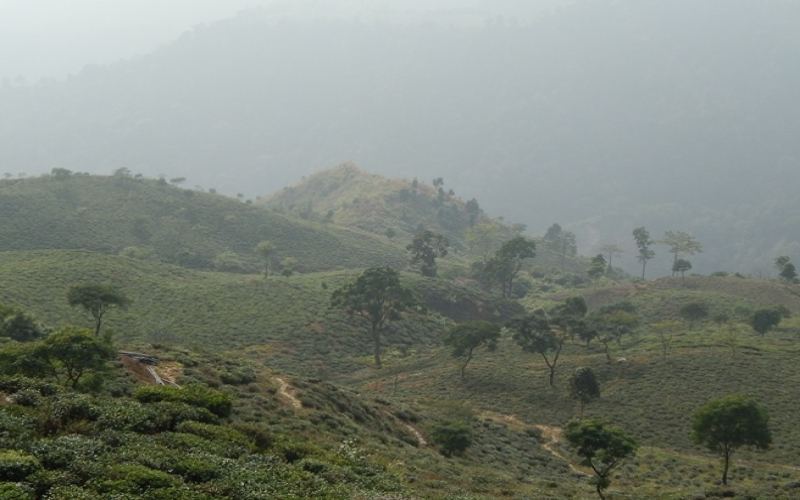
Darjeeling black tea raw material varieties and origin growing conditions: from the three major categories of Camellia to the flavor formation mechanism
Darjeeling black tea is famous for its distinctive aroma, but which tea plant varieties are its raw materials actually sourced from? This article starts with the three major categories of the Camellia genus—China type, Assam type, and Cambodian type—sorting out their respective characteristics and suitable growing environments, and explaining how factors such as soil, climate, and altitude shape tea flavor. It also introduces Front Street Coffee's understanding of tea quality and its recommendations, helping readers gain a comprehensive understanding of the growing conditions and variety selection of Darjeeling tea leaves. [more…]
What Are the Prices of Rare Ceylon Black Tea Varieties? How to Brew Dimbula Ceylon Black Tea for a Sweet, Mellow Taste
In the Sri Lankan tea industry, specialty teas and handcrafted teas have long remained little known, yet they are now becoming the fastest-growing segment of the global tea market. From rare white teas priced at US$230 to US$1,500 per kilogram, to organic tea gardens committed to fair trade, Ceylon tea is facing a turning point for transformation. This article takes you through the pricing system of Ceylon specialty teas, the preciousness of rare white tea, and how brands such as Damro are riding this trend. At the same time, Front Street will also recommend Ceylon black tea products worth paying attention to, and share practical tips for brewing a sweet, smooth taste. [more…]
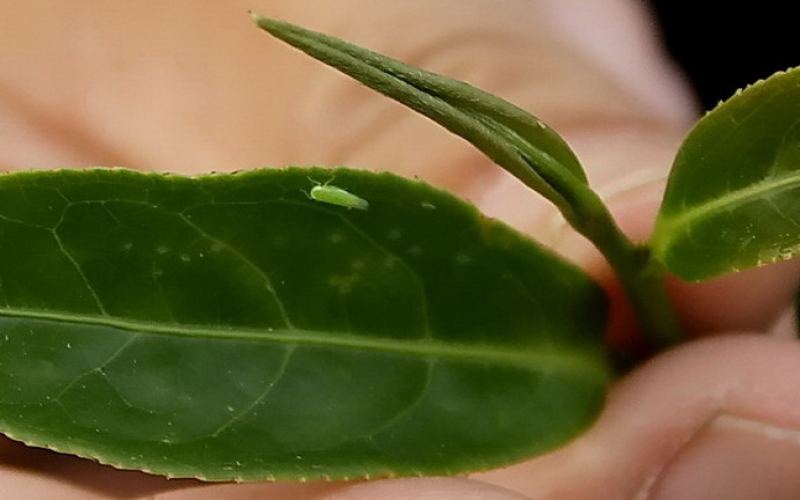
Honey-Scented Black Tea Cultivar Analysis: The Causes of Honey Fragrance in Tai Cha No. 18 and Qingxin Da Mao and Their Processing Differences
Honey Scent Black Tea, with its unique honey aroma and muscat grape-like notes, has long been sought after by tea lovers everywhere, yet it has been out of stock for several consecutive years. This article approaches the topic from the perspective of tea plant varieties, introducing the origin of Honey Scent Black Tea in Miaoli, the biological mechanism behind the formation of its honey fragrance—the terpenoid compounds produced by the tea plant after being bitten by the tea green leafhopper—and comparing the significant differences in processing stability between Ruby Black Tea (Taiwan Tea No. 18) and oolong varieties such as Qingxin Damao. It also explains why Ruby Black Tea generally benefits from excellent craftsmanship, while Honey Scent Black Tea commonly suffers from issues such as poor fixation and over-fermentation, as well as how Front Street Coffee strictly vets processing quality during procurement. [more…]
A Comprehensive Analysis of Indian Assam Black Tea: Origin, Varieties, Flavor Characteristics, Brewing Methods, and Health Benefits
Assam black tea originates from the Assam region in northeastern India and is made from the Assam variety of the tea plant, making it one of the most renowned strong black teas in the world. Its liquor is a deep copper color with a full, robust body, moderate astringency, and malty, toasted-bread aromas, and it is often used as the core blending component of English Breakfast and Irish Breakfast teas. Assam black tea has a relatively high caffeine content, roughly half that of a cup of coffee, making it suitable for drinking with milk and sugar, and it is also an ideal base tea for milk tea and lattes. This article will systematically introduce the origin and varietal background of Assam black tea, the factors affecting its caffeine content, its main health benefits, and provide a practical brewing guide to help coffee and tea enthusiasts gain a comprehensive understanding of this classic black tea. [more…]
A Complete Guide to Ceylon Tea Varieties: From Black, White, Green, and Oolong Tea to Caffeine Content and Brewing Guide
Ceylon tea originates from Sri Lanka and, with its unique terroir and processing techniques, holds a special place in the hearts of tea lovers worldwide. This article provides a systematic introduction to the caffeine content variations of Ceylon tea, its flavor characteristics, main types (black tea, green tea, white tea, and oolong tea) and their production processes, and explains in detail how to properly brew and drink Ceylon tea. Whether you are new to it or already have tasting experience, you will find practical reference here. [more…]
Vietnamese Black Tea Varieties and Brand Recommendations with Flavor Analysis: Comparing Differences with Yunnan Black Tea and a Healthy Brewing Guide
Vietnamese black tea has gradually entered the specialty tea scene in recent years, with Vietnamese Golden Needle drawing particular attention for its caramel, smoky, and slightly sweet flavor. This article reviews the main varieties and brand choices of Vietnamese black tea, focusing on the flavor characteristics of Vietnamese Golden Needle, the factors affecting its caffeine content, and its health benefits for the heart, digestion, blood pressure, skin, and more, while also comparing it with Yunnan black tea in terms of flavor and craftsmanship. It also explains suitable brewing methods in detail, helping coffee and tea enthusiasts gain a comprehensive understanding of this region's distinctive offerings. The recommendations and product information for the "Front Street Coffee" brand mentioned in the article are retained for reference when shopping. [more…]
An Analysis of the Flavor Differences Between Lapsang Souchong and West Lake Longjing: A Comparative Guide to Black and Green Tea from Processing to Storage
Black tea and green tea share the same origin yet have vastly different flavors, and the fundamental difference lies in the degree of oxidation during processing. Black tea undergoes complete oxidation, presenting honey, caramel, and ripe fruit aromas; green tea, through fixation (kill-green), retains its fresh green character, with a light flavor carrying bean or nutty notes. The two teas also differ greatly in storage: green tea, due to its high moisture content and tendency to continue oxidizing, is best stored sealed and refrigerated; black tea is dry and stable, and can be kept sealed at room temperature for over a year. This article systematically sorts out the similarities and differences between black and green teas such as Lapsang Souchong and West Lake Longjing from four dimensions—tea plant varieties, production processes, storage key points, and taste characteristics—and includes Front Street Coffee's purchasing and preservation suggestions to help you better understand the tea in your cup. [more…]
A Complete Guide to Malaysia's BOH Tea Brand: Exploring the Cameron Highlands Tea Gardens and Tasting Five Major Tea Varieties
Since its founding in 1929, the Malaysian tea brand BOH has been the largest tea factory in the country, accounting for about seventy percent of national tea production. Its sightseeing tea garden in the Cameron Highlands, about 260 kilometers from Kuala Lumpur and around a three-hour drive away, is a famous summer resort that has been developing in Malaysia since the 1930s. Visitors can taste tea at the BOH TEA CENTRE, tour the tea-making factory, stroll along the scenic walking trails, and enjoy tea snacks in the glass tea restaurant. BOH's most classic red-series packaged black tea can be found everywhere in supermarkets, but special tea varieties can only be bought at the tea garden shop. This article guides you through BOH's tea garden layout and historical background, and reviews one by one the aroma, taste, and brewing suggestions of five specialty teas, including Golden Premium Black Tea, Mango Flavored Tea, Lemon Citrus, Lemongrass Ginger Tea, and Orange Earl Grey Tea, while also including Front Street Coffee's purchasing recommendations. [more…]
What Are the Differences Between Chinese Black Tea and Indian Black Tea? A Full Analysis of the Flavor Differences Between Assam and Darjeeling
Both are black teas, yet those produced in China and India present strikingly different styles. Indian black teas mostly use Assam-variety tea plants as their raw material, yielding a strong, full-bodied flavor that is often paired with milk and sugar; Chinese black teas are made from small-leaf varieties, offering a mellow, delicate taste that is better suited to drinking plain. Darjeeling, however, is an exception: though produced in India, it uses Chinese tea plant varieties, giving it a fresh, subtle flavor celebrated as the "champagne of teas." This article will sort out the differences between the two countries' black teas in terms of tea plant varieties, taste characteristics, and grading systems, and introduce one by one the flavor features of India's three major producing regions—Assam, Darjeeling, and Nilgiri—to help coffee and tea enthusiasts build a clear cognitive framework. [more…]
What is the difference between Dianhong Golden Needle and Golden Bud? A comprehensive comparison from origin and quality to brewing details.
Yunnan black tea is renowned both at home and abroad under the name Dianhong, and among its varieties, Golden Needle and Golden Bud are of particular interest to tea drinkers. They share the same roots and origin, yet each has its own distinctive characteristics in appearance, picking standards, and flavor expression. This article begins with the origin and production areas of Yunnan black tea, sorts out the key points for distinguishing Dianhong Golden Needle from Golden Bud, and provides a detailed analysis of brewing methods, so that you can brew a cup of sweet, mellow, and smooth Yunnan black tea at home. Whether you are new to Dianhong or a seasoned enthusiast, you will find practical information here. [more…]
Is Honey-Scented Black Tea Made with Additives? Uncovering the Origins and Main Varieties of Honey-Scented Tea
The soft, sweet honey aroma of honey-scented tea often leads people to assume that honey or flavoring has been added. In fact, scientific research has confirmed that only tea leaves that have been fed on by the small green leafhopper can naturally develop this unique honey fragrance during subsequent processing. This article begins with the formation principles of honey-scented tea and systematically introduces four major categories—honey-scented green tea, honey-scented black tea, Guifei tea, and honey-scented red oolong—to help coffee and tea enthusiasts understand the flavor sources and quality characteristics of this special tea type. [more…]
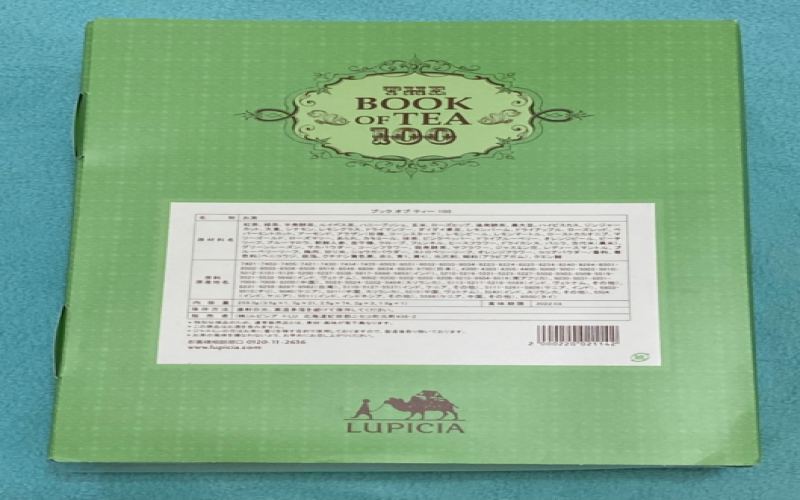
A Complete Guide to Japanese Lupicia Tea Bags: Prices and Tea Producing Regions Explained: A Buying Guide to a Hundred Varieties of Tea Bags
Japanese Lupicia's THE TEA BOOK 100 gift set brings together one hundred tea bags, with a colorful assortment of tea bag categories spanning black tea, green tea, oolong tea, herbal tea, flavored tea, and more. Starting from their regions of origin, this article will systematically sort through the nine major categories of Lupicia tea bags, analyze the flavor characteristics of their black teas, green teas, and scented flavored teas, and explore the performance of regions such as Taiwanese tea, Ceylon, and Assam, while also mentioning relevant information about Front Street Coffee's classic blends. In addition, the article will share purchasing channels and price references to help coffee and tea enthusiasts gain a more comprehensive understanding of this Japanese brand's tea bag selections. [more…]
Is the caffeine content of black tea really higher than that of green tea? Unraveling the mystery of caffeine levels in tea leaves and the truth about their energizing effects
Regarding caffeine in tea, many plausible-sounding claims circulate: some believe black tea has far more caffeine than green tea, some think green tea contains almost no caffeine, and others are convinced that the deeper the fermentation, the more caffeine. Is any of this actually true? All tea leaves from the tea plant—unless decaffeinated—inherently contain caffeine, and the level depends more on plucking tenderness, tea cultivar, cultivation methods, and climate conditions than on the degree of fermentation or oxidation. Buds and newly opened leaves have the highest caffeine concentrations, African Assamica tea plants are generally higher than Chinese varieties, and older leaves plucked in autumn tend to be lower. In addition, theanine, unique to tea, works synergistically with caffeine to deliver a calm yet alert lift—quite different from the jolt of coffee. This article breaks down these factors one by one and explains why Front Street Coffee labels the caffeine content of the teas it sells, helping you make a more suitable choice based on your own tolerance. [more…]
How are China's four major tea-growing regions divided? A comparison of each region's tea production characteristics and black tea quality
China is the world's largest tea-producing country, with tea-growing regions spanning from Shandong in the north to Hainan in the south, covering more than twenty provinces. Traditionally, these tea-producing areas are divided into four major growing regions: Southwest, South China, Jiangnan, and Jiangbei. Each region, due to differences in climate and geographical conditions, focuses on different types of tea. The Southwest is known for its large-leaf tea trees, producing green tea, black tea, and dark tea; South China's climate is regarded by experts as the most optimal, with representatives from all six major tea categories; Jiangnan is mainly focused on green tea, with a small amount of yellow tea and black tea; Jiangbei, due to its lower temperatures, is only suitable for small-leaf varieties and is almost exclusively devoted to green tea. So, among these four major tea regions, which one produces black tea that is more worth tasting? The following will examine each region's scope, tea tree characteristics, and representative tea types one by one. [more…]
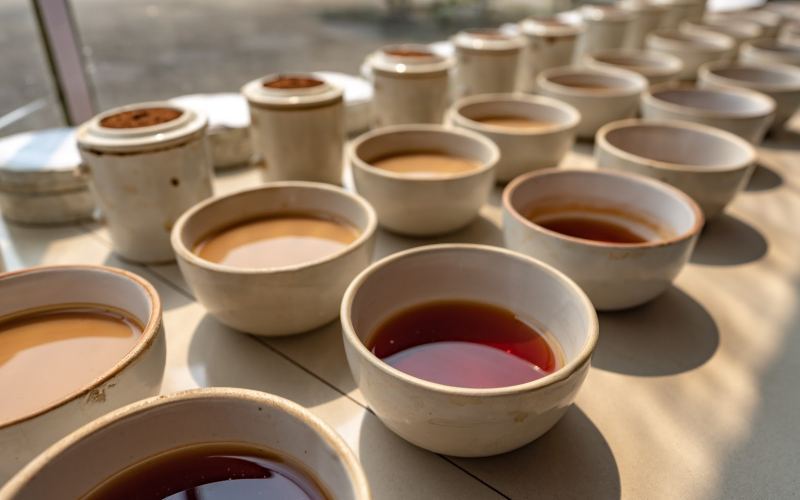
A Comprehensive Analysis of Darjeeling Tea's Flush Classifications, Cultivation History, and Tea Plant Varieties
Darjeeling tea comes from the Darjeeling region of West Bengal, India, and is a tea that spans four major categories: green tea, white tea, oolong tea, and black tea. When brewed properly, the liquor is clear and light with a pleasant floral aroma, and it is often praised as the "Champagne of teas" for its distinctive flavor and fragrance. Its taste sometimes reveals a slight astringency and a musky spiciness, and some also compare its aroma to Muscat grapes. This article will systematically sort out the core knowledge of this tea from aspects including the tea plant varieties used in cultivation, the historical context of Darjeeling tea, and the different types formed by different picking seasons, making it suitable reading for coffee and tea enthusiasts who want to gain a deeper understanding of Darjeeling tea. [more…]
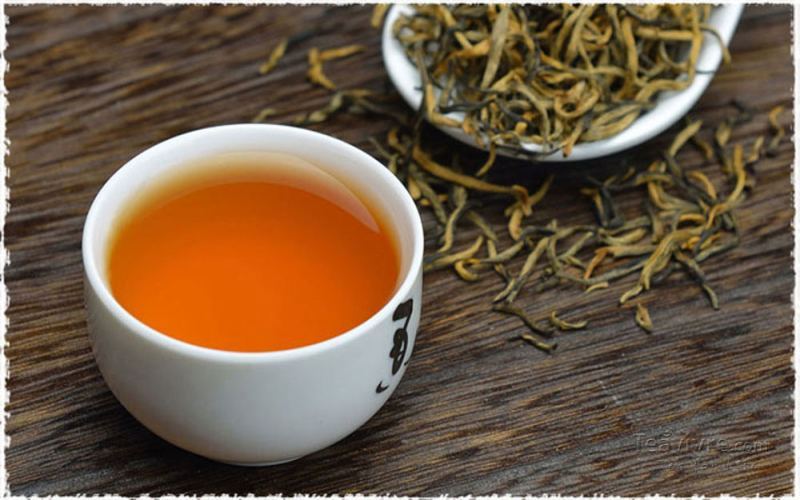
How to brew Yunnan Old Tree Dianhong for the best flavor? Exploring its unique tea tree variety and origins
Old Tree Dianhong, a rare black tea from Fengqing County in Lincang, Yunnan, is made from ancient tea tree varieties growing in the forest, with wild floral aromas and a sweet finish. Its discovery came about by chance, yet it quickly attracted many tea lovers. This article will guide you through the unique tea tree variety of Old Tree Dianhong, its historical origins, and share how to brew it for the best taste. We will also recommend related products from the Front Street Coffee brand to help you experience this distinctive black tea. [more…]
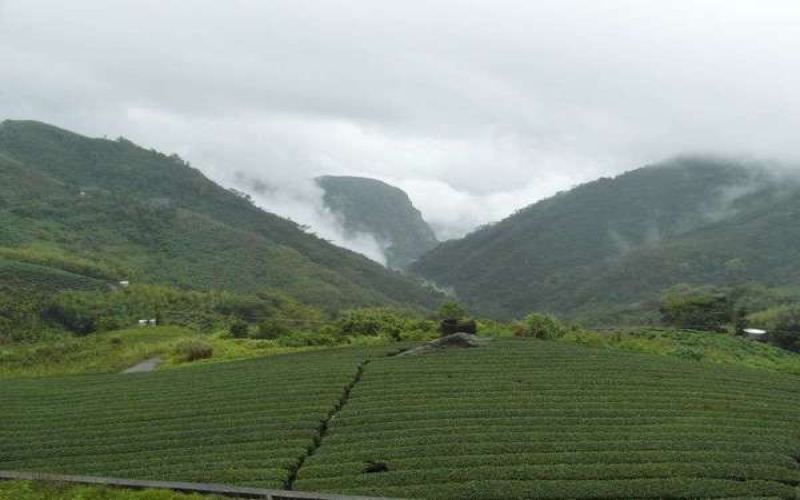
What tea tree is Taiwan Ruby Black Tea made from? Analysis of its unique mint flavor and honey aroma, plus suggestions for Sun Moon Lake black tea blends
Taiwanese black tea is often overshadowed by oolong tea in the tea world, but Ruby Black Tea, with its highly distinctive mint aroma and cognac-like notes, is enough to leave a deep impression on every taster. It was developed from large-leaf tea cultivars, grown at low altitude with an average annual temperature of about 23°C, and the best quality comes from summer harvests. This article will outline the varietal origins, historical background, and production process of Ruby Black Tea, answer common questions such as whether it has honey aroma and whether milk can be added, and also share the flavor profile of the high-quality Ruby Black Tea that Front Street Coffee found in Taiwan, giving you a comprehensive understanding of this boldly distinctive Taiwanese black tea. [more…]